
The south of Portugal, one of Europe’s most enchanting destination, transforms into a haven of autumnal charm in November. As someone who has lived in the Algarve for a while now, I’ve had the privilege to experience the magic of this season firsthand. Let’s dive into what awaits travelers in these beautiful countries during this month.
1. The Climate: What to Expect
November heralds the onset of cooler temperatures in Portugal. While the scorching summer heat mellows, the weather remains pleasantly mild, especially in the southern regions.
The Algarve often enjoys temperatures that allow for short sleeves during the day, though a jacket becomes essential as the sun sets. In contrast, the northern parts of Portugal, like Porto, can be quite crisp, especially in the evenings.
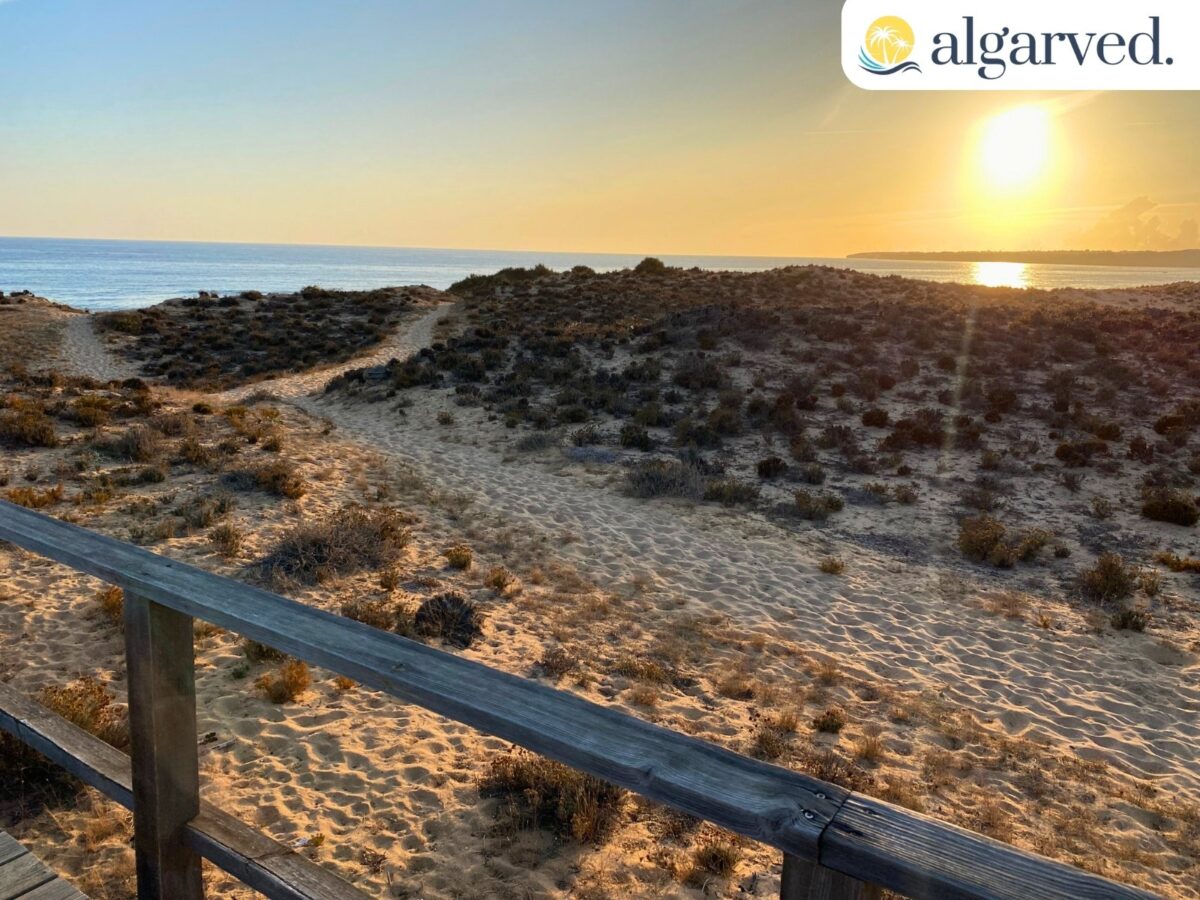
During my time in the Algarve, I’ve found November to be one of the most comfortable months. The gentle sea breeze combined with the mild sun creates an atmosphere that’s neither too hot nor too cold – just perfect for exploring.
2. Festivals and Events
November is a month of celebration in Portugal. From All Saints’ Day, Dia de Todos os Santos, to local harvest festivals, there’s always something happening.
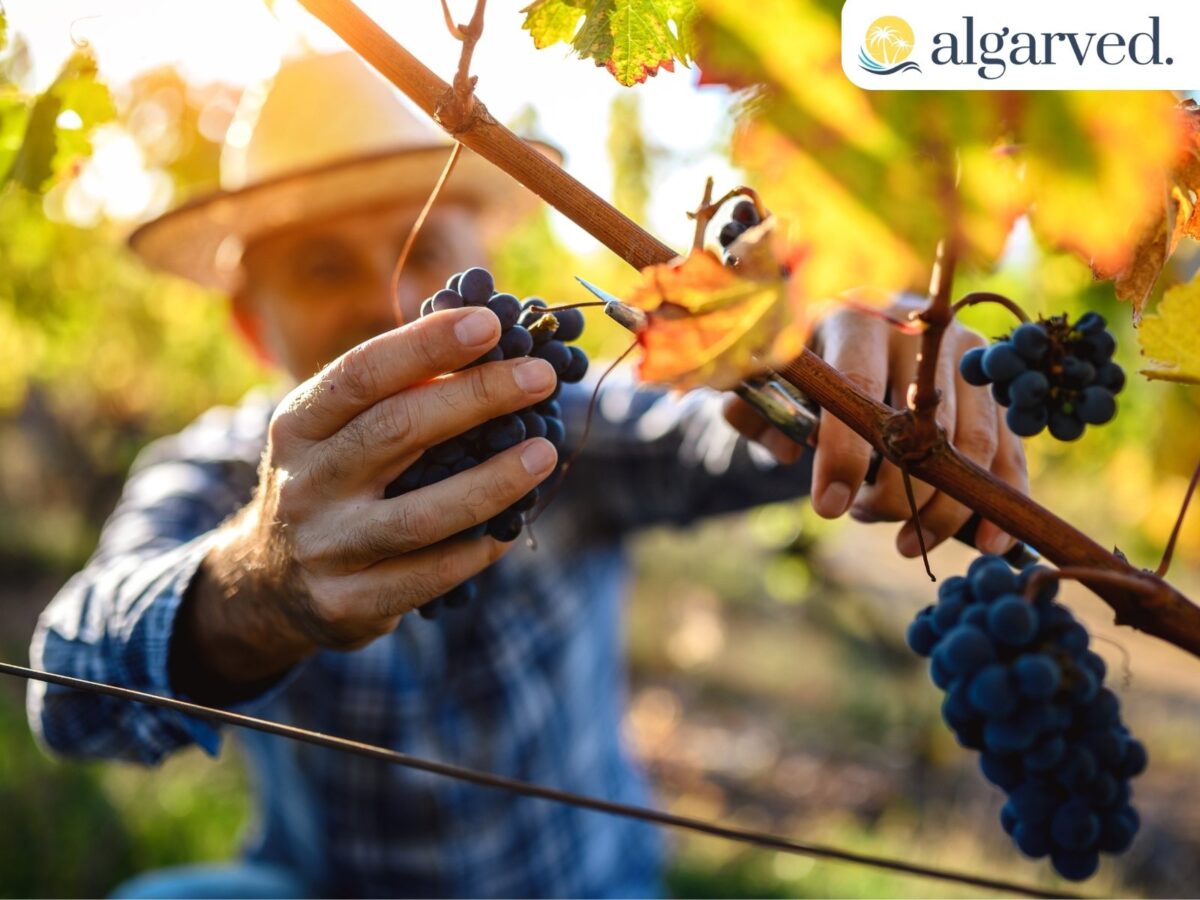
In Portugal, the highlight in autumn is undoubtedly the wine harvest, called Vindima. Living in the Algarve, I’ve had the chance to visit charming local vineyards, witnessing the grape harvest and the initial stages of winemaking. It’s a festive time, with locals and visitors alike participating in the harvest and the subsequent celebrations.
For those interested in immersing themselves in local culture, November offers a unique window. The festivals are less crowded than the summer fiestas, giving a more authentic experience.
3. Culinary Delights: Seasonal Foods to Try
Autumn brings a bounty of fresh produce to the Iberian Peninsula. Markets in Portugal are flooded with seasonal fruits and vegetables, making it a fantastic time for food lovers.
Especially the Algarve, sees a surge in dishes made from sweet potatoes, chestnuts and other seasonal produce. During my stay here, I’ve particularly enjoyed the roasted chestnuts, castanhas, sold by street vendors everywhere. Their smoky flavor, combined with the chilly November air, is a treat I look forward to every year.
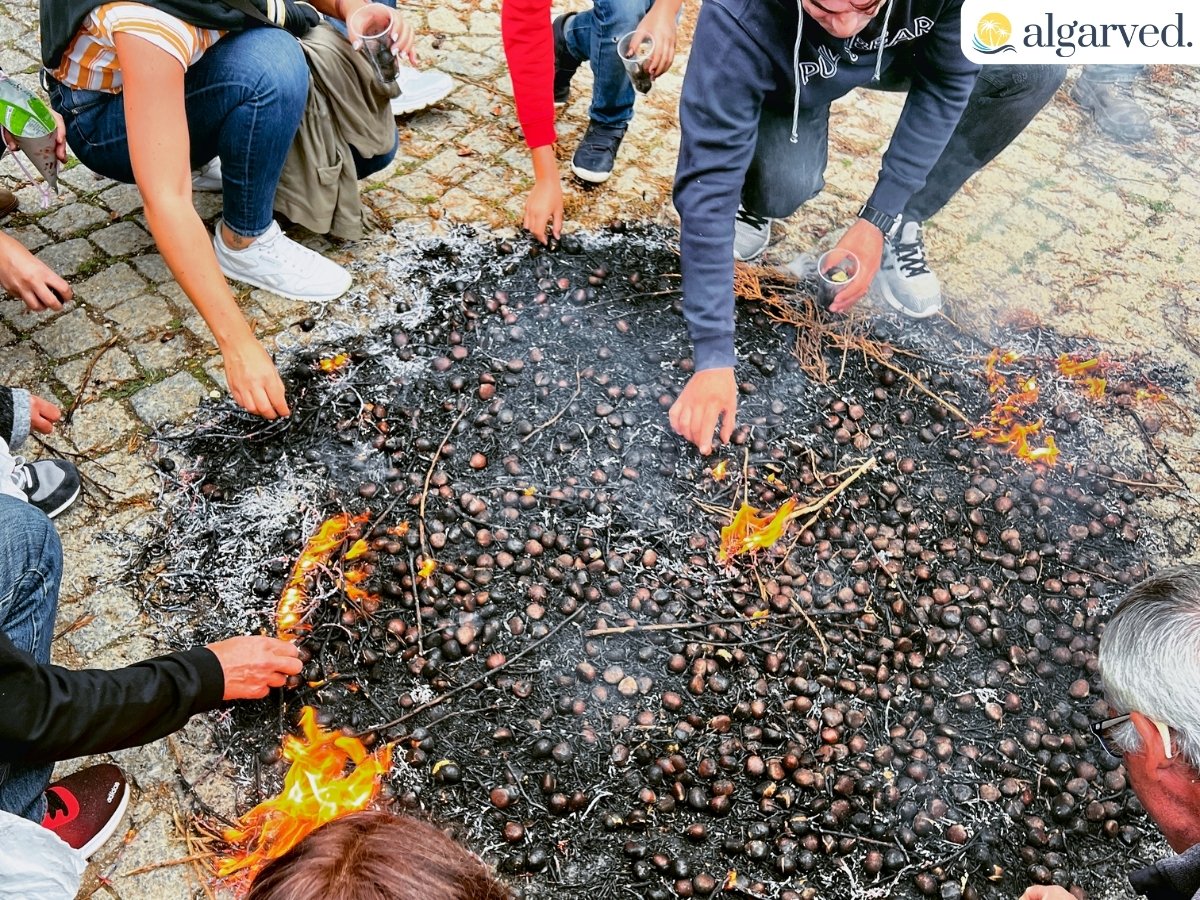
There is even a chestnut festival, Festa da Castanha, where the freshly harvested chestnuts are roasted on the street in an open fire. If you are quick and fearless, you can pick the best ones out of the hot ashes.
Additionally, November is when the new wine is introduced. Local taverns and restaurants start serving the year’s wine, often accompanied by traditional music and dance.
4. Sightseeing Without the Crowds
One of the biggest advantages of traveling in November is the lack of crowds. Popular tourist spots, which are swarming with visitors in the summer, become much more accessible.
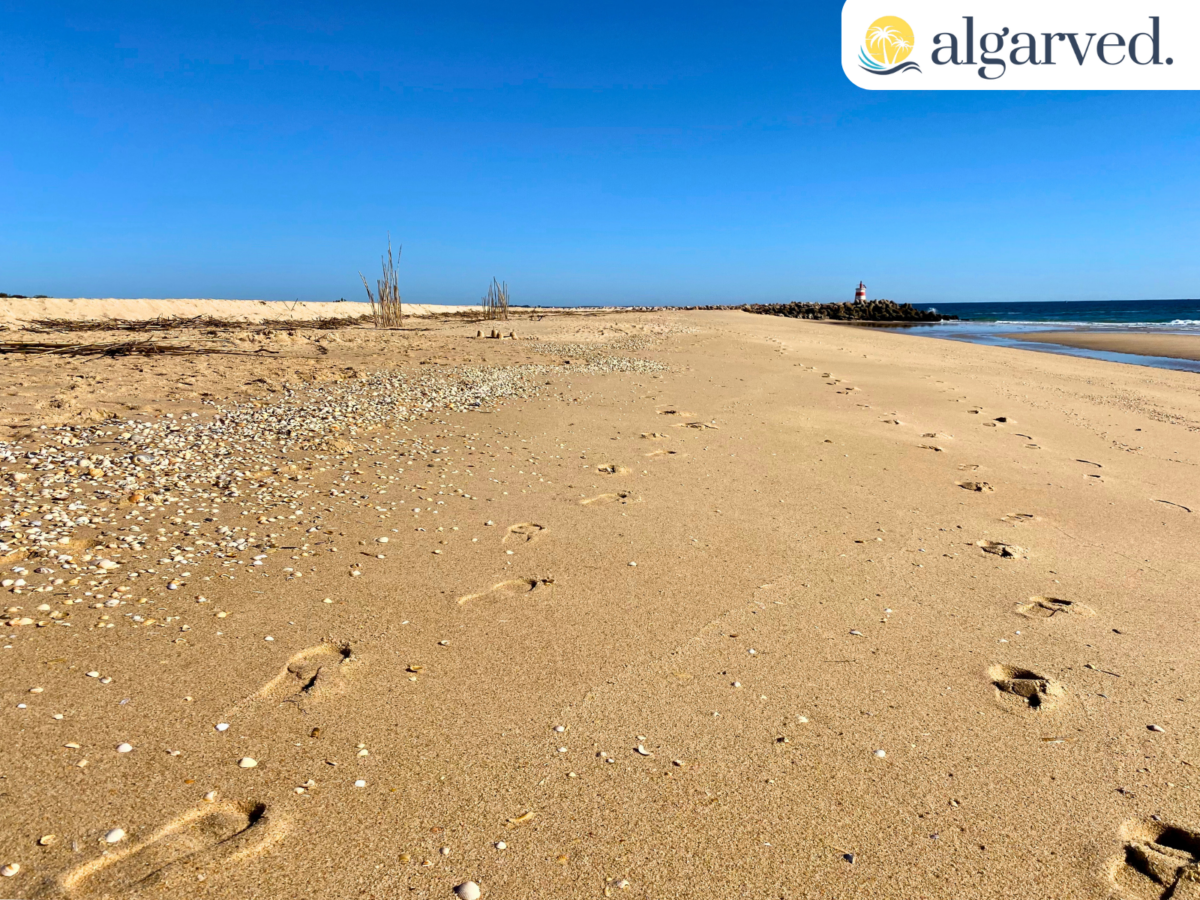
The beaches of the Algarve, where I often take long walks, are serene and almost deserted. The calmness of the sea, combined with the cool weather, makes it perfect for introspective strolls.
Historical sites, too, are less crowded. During my visits to places like the Tower of Belém in Lisbon or the Benagil Cave, the reduced number of tourists made the experience more personal and enjoyable.
5. Nature and Outdoor Activities
The Iberian landscape in autumn is a sight to behold. The changing colors of the leaves, combined with the golden hue of the setting sun, create postcard-perfect vistas.
The Algarve, with its rugged coastline and pristine beaches, is perfect for outdoor activities. During my time here, I’ve explored several coastal trails and hikes in the Monchique Mountains, each offering breathtaking views of the Atlantic.
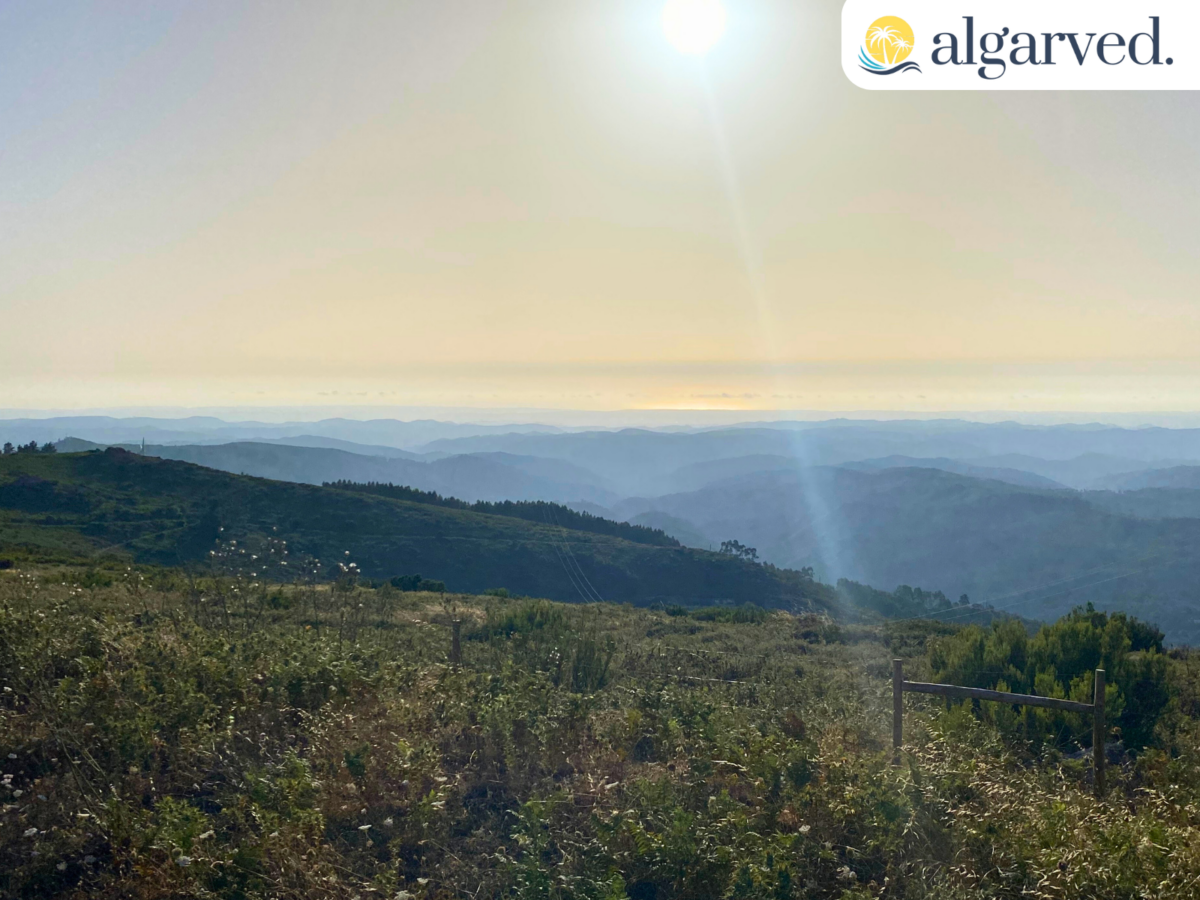
For those inclined towards adventure, November is ideal for surfing, especially on the western coast. The waves are just right, and the cooler temperatures make the experience exhilarating.
6. Cultural Insights: Museums and Historical Sites
Portugal, with its millennia-old history, is a treasure trove for history enthusiasts. November, with its cooler temperatures, is perfect for exploring museums, historical sites, and ancient ruins.
Portugal’s National Azulejo Museum in Lisbon, showcasing the art of decorative tilework, offers insights into a unique Portuguese craft.
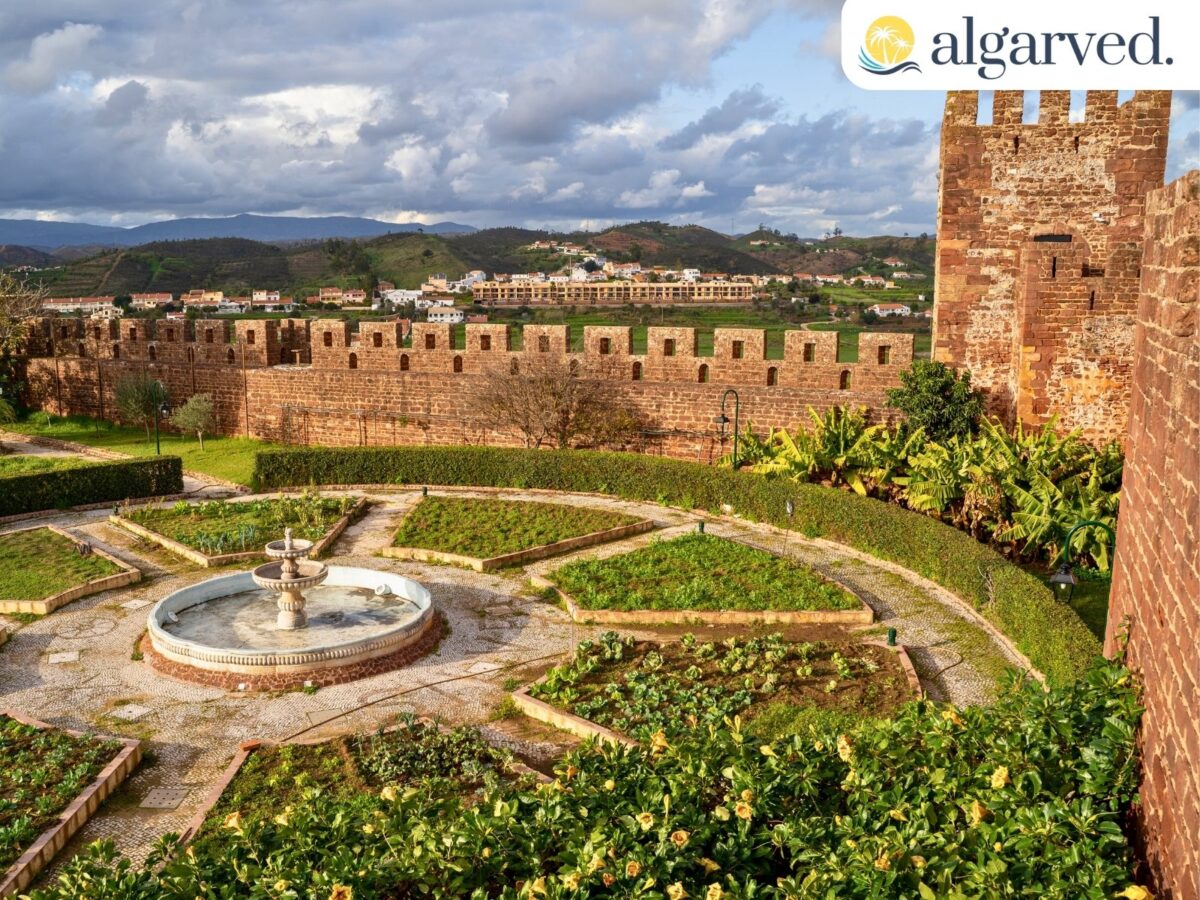
Living in the Algarve has given me a deep appreciation for Portugal’s rich history. From the ancient Roman ruins in Faro to the Moorish castles, castelos, dotting the landscape, every visit has been a journey back in time.
7. Practical Tips for Travelers
Traveling in November requires some preparation. While the weather is generally mild, it’s always a good idea to check the forecast and pack accordingly. Layering is key, as temperatures can vary significantly between day and night.
From my experience, I’d recommend packing a mix of light jackets, scarves and comfortable walking shoes. For those planning to visit the beaches, a windcheater and for swimmers a wetsuit can be quite handy.
It’s also a good idea to check the opening hours of attractions and restaurants, as some might have shorter timings in the off-peak season. However, the lack of crowds more than makes up for it, offering a relaxed and enriching travel experience.
Is November a good time for beach activities in Portugal?
While the weather might be cooler, some southern regions still offer pleasant beach days. However, it’s more about coastal walks and enjoying the scenery than sunbathing.
What should I pack for Portugal in November?
Layering is key! While days can be mild, evenings get chilly. A mix of light jackets, scarves and comfortable walking shoes are recommended.
Are accommodations and attractions open in November?
A lot of attractions remain open, and it’s often easier to find accommodations due to fewer tourists. Some seasonal businesses like waterparks or even zoos might close, so it’s always good to check in advance.
How do locals in Portugal embrace the month of November?
November is a time of harvest festivals, especially related to wine. Locals also start preparing for the upcoming festive season, making it a vibrant time to experience local culture.
