
Portugal, with its sun-kissed beaches and picturesque coastal towns, is a haven for beach lovers. But, if you’ve ever taken a dip in its waters, you might have been taken aback by the unexpected chill. As someone who’s lived in the Algarve with my family for over a year, I’ve had my fair share of brisk swims. Let’s dive into the reasons behind this chilly mystery.
The Atlantic Ocean’s Influence
The Atlantic Ocean plays a significant role in determining the sea temperatures around Portugal. Unlike the Mediterranean Sea, which is known for its warm and inviting waters, the Atlantic Ocean is vast and influenced by a mix of cold currents from the north and warmer currents from the south.
The Science Behind Cold Waters: Upwelling Explained
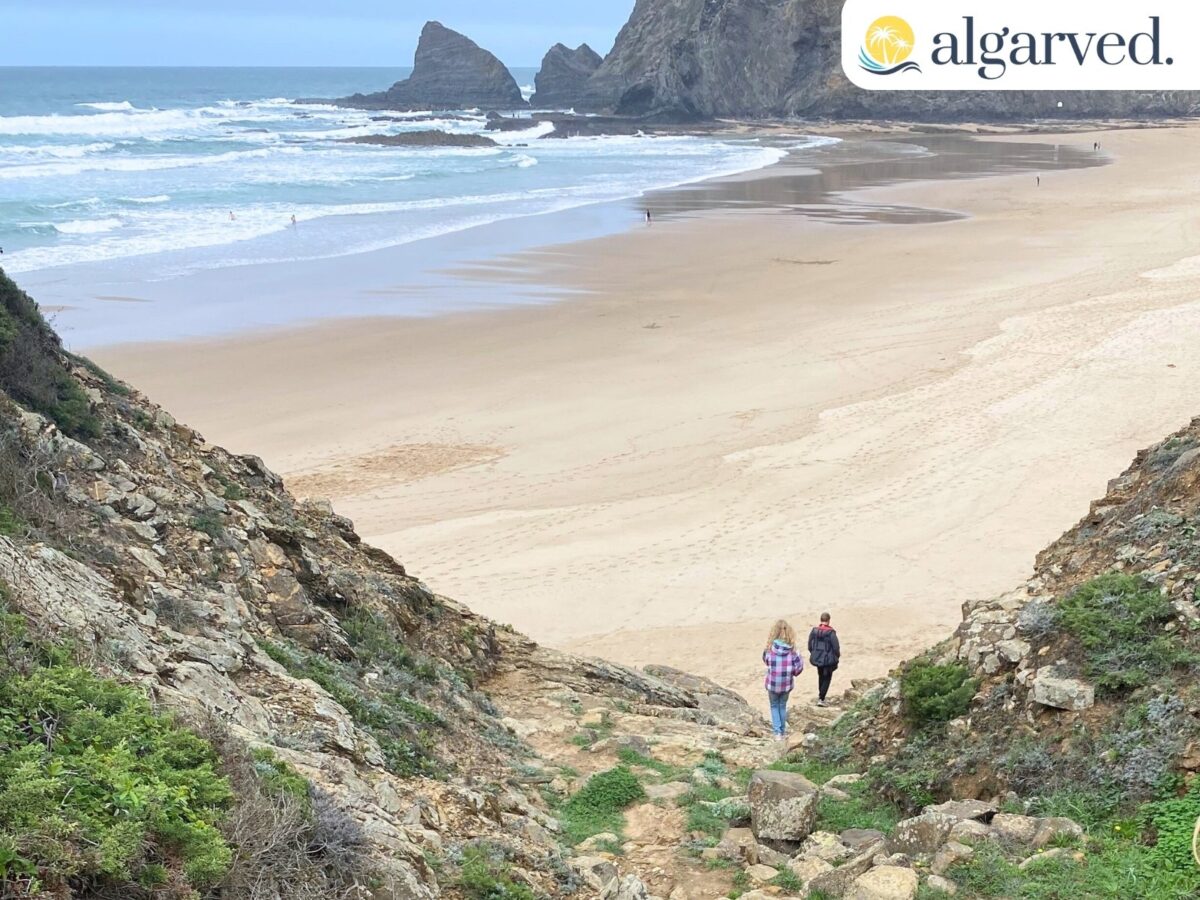
One of the primary reasons for the cold waters is a phenomenon called upwelling. This process occurs when winds push surface water away from the coast, and it’s replaced by cold water from the ocean’s depths. Living in the Algarve, I’ve noticed that on particularly windy days, the sea feels even colder, which aligns with this scientific explanation.
Regional Variations in Sea Temperature
While the Algarve, especially areas closer to the Strait of Gibraltar, enjoys slightly warmer waters, Northern Portugal can be notably colder. During our family trips up the coast, we’ve always packed an extra wetsuit or two, anticipating the temperature drop.
Official Figures vs. Real Experiences
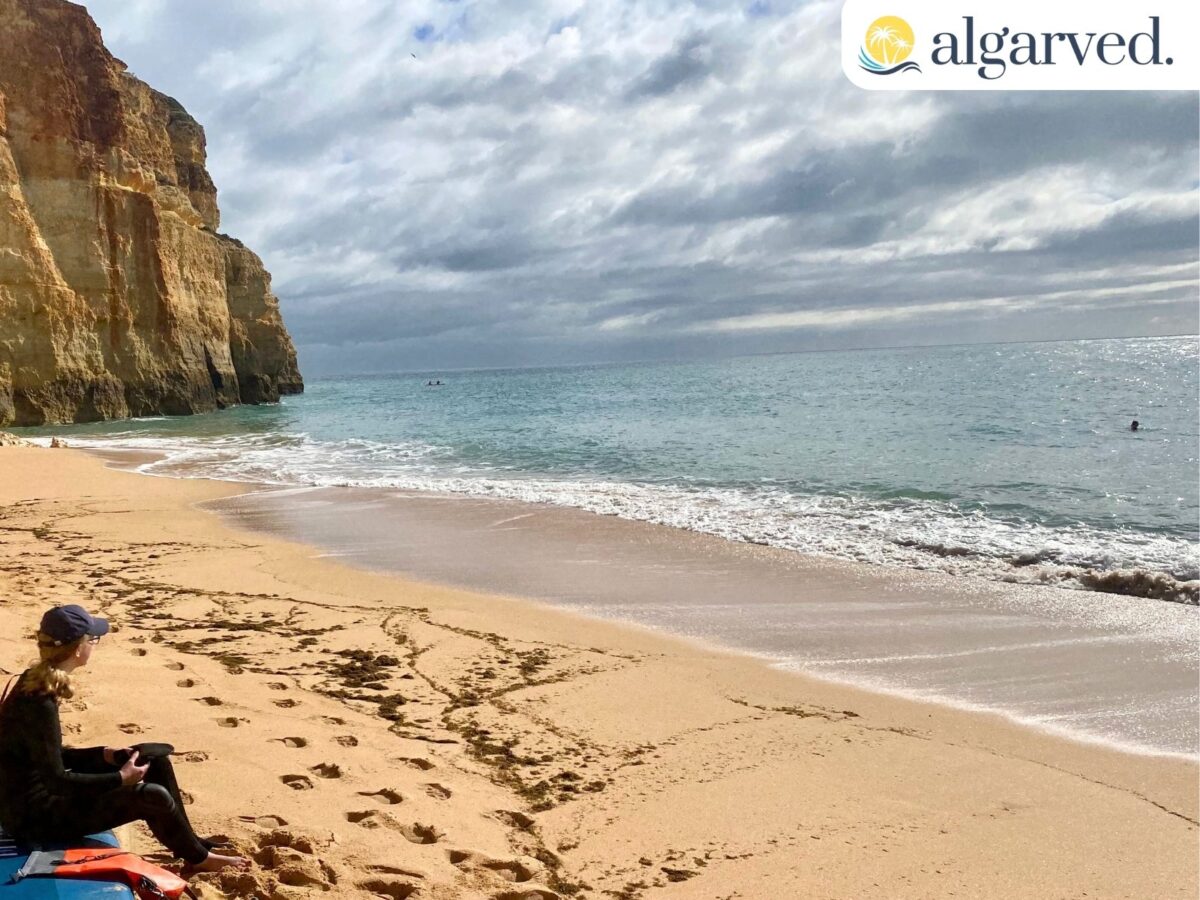
While official figures might indicate certain temperatures, personal experiences can vary. On some days, after a long hike on the cliffs of the Algarve, the sea feels refreshingly cold, while on others, especially in sheltered coves, it feels considerably warmer.
The Warmest Beaches in Portugal
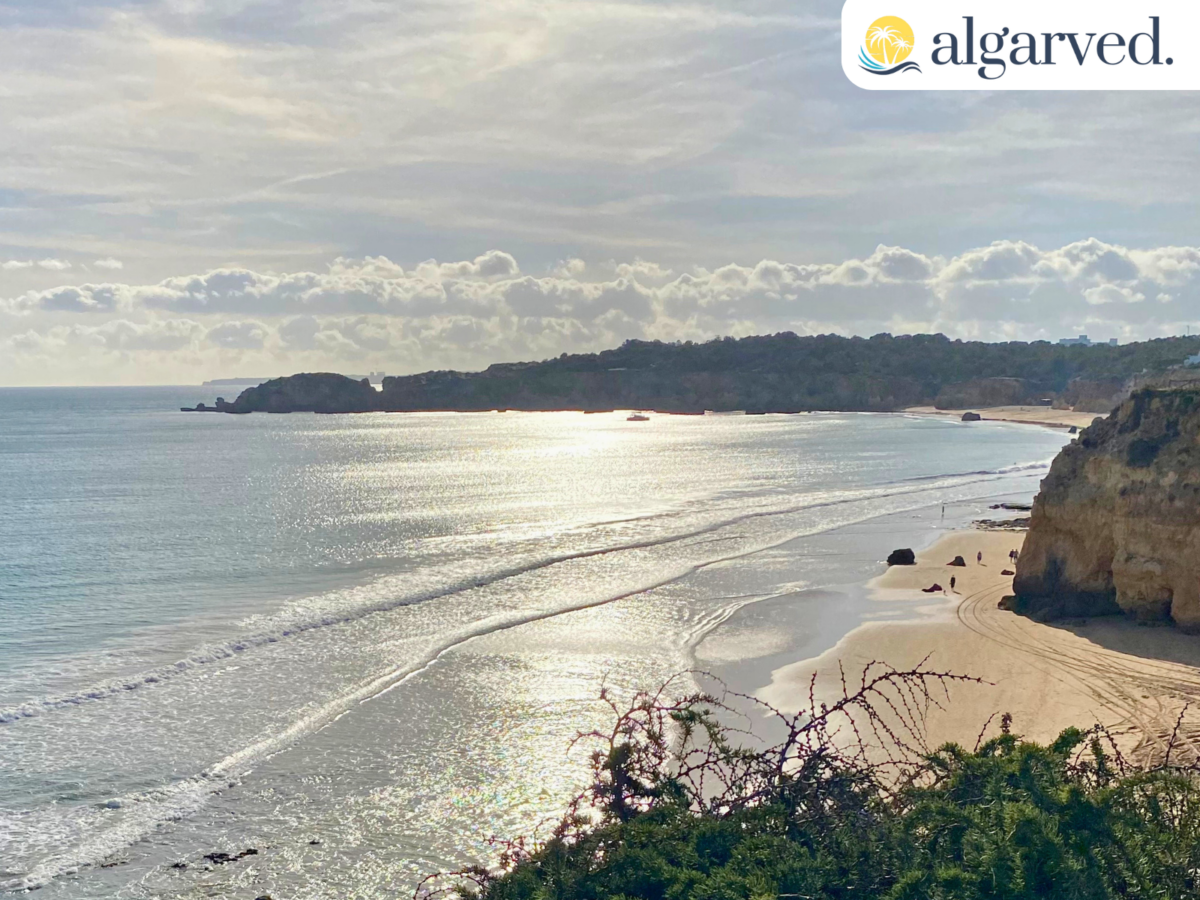
If you’re in search of warmer waters, some beaches in Portugal are known for their slightly higher temperatures. Places like Praia da Luz or Praia da Rocha Baixinha in the Algarve have often been our family’s choice for a warmer swim.
The Impact on Tourism and Local Life
The cold waters, while surprising for many tourists, are a regular part of life for locals. Over the past year, I’ve seen local children dive fearlessly into the waves, while tourists hesitate at the water’s edge. It’s all a part of the unique charm of Portugal’s beaches.
Embracing the Cold: Activities and Benefits
Cold waters aren’t a deterrent for water sports enthusiasts. Surfing, paddleboarding, and even cold-water snorkeling are popular activities. Personally, I’ve found that a brisk swim in the cold sea is incredibly invigorating and has numerous health benefits, from improving circulation to boosting the immune system.
Tips for Visitors: Making the Most of Portugal’s Beaches
If you’re planning a trip and want to experience the best of Portugal’s beaches, consider visiting during the warmer months of July and August. And remember, while the water might be chilly, the experience of swimming in the clear blue waters of Portugal, with its stunning coastal backdrop, is unparalleled.
FAQs
Why is the sea colder in Portugal than in Spain?
While both countries are on the Iberian Peninsula, Portugal faces the vast Atlantic Ocean, which is influenced by cold currents, whereas Spain’s Mediterranean coast enjoys warmer waters.
Are there any health benefits to swimming in cold water?
Yes, cold-water swimming can boost the immune system, improve circulation, and even enhance mood. During our time in the Algarve, we’ve found our cold swims to be both refreshing and rejuvenating.
What’s the best time of year for warmer sea temperatures in Portugal?
The warmest sea temperatures are typically from July to September. However, even during these months, the water can be brisk, so it’s always a good idea to check local forecasts.
How do locals adapt to the cold waters?
Many locals are accustomed to the cold waters and enjoy regular swims. Additionally, wetsuits are a common sight, especially among surfers and water sports enthusiasts.
